

Three important developments in endometriosis care
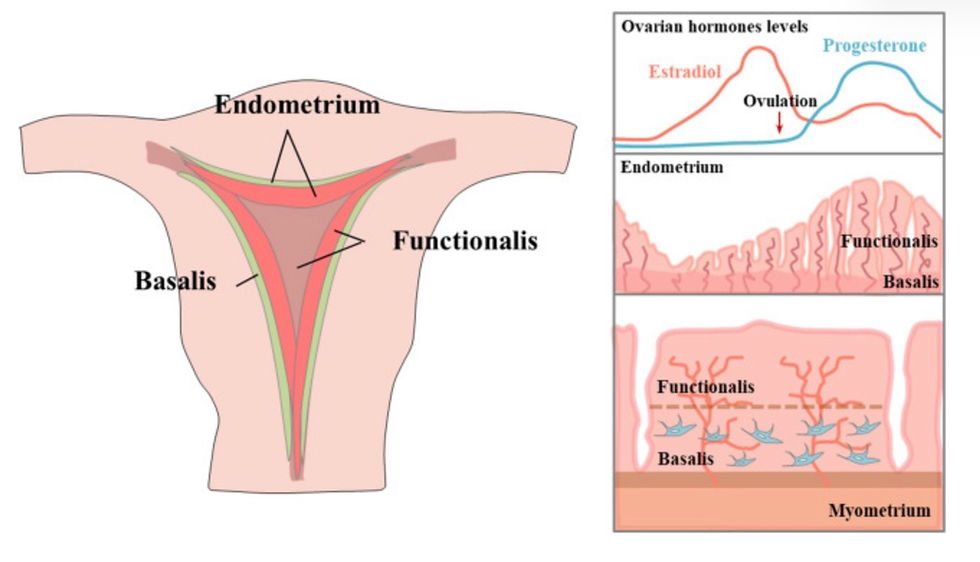
The physiology of menstruation is pretty incredible. The uterus is made up of three layers of muscle. It then has two non muscular layers that make up the endometrium. The basal layer has stem cells which regenerate the functional layer - which is the layer that sheds. This layer is freshly formed to prepare for egg implantation and placenta growth. When progesterone levels drop inflammatory processes are triggered, endometrial blood vessels are deprived of oxygen and desquamation/ bleeding begins. Once the shedding is complete the repair/ re-epithelisation process begins.
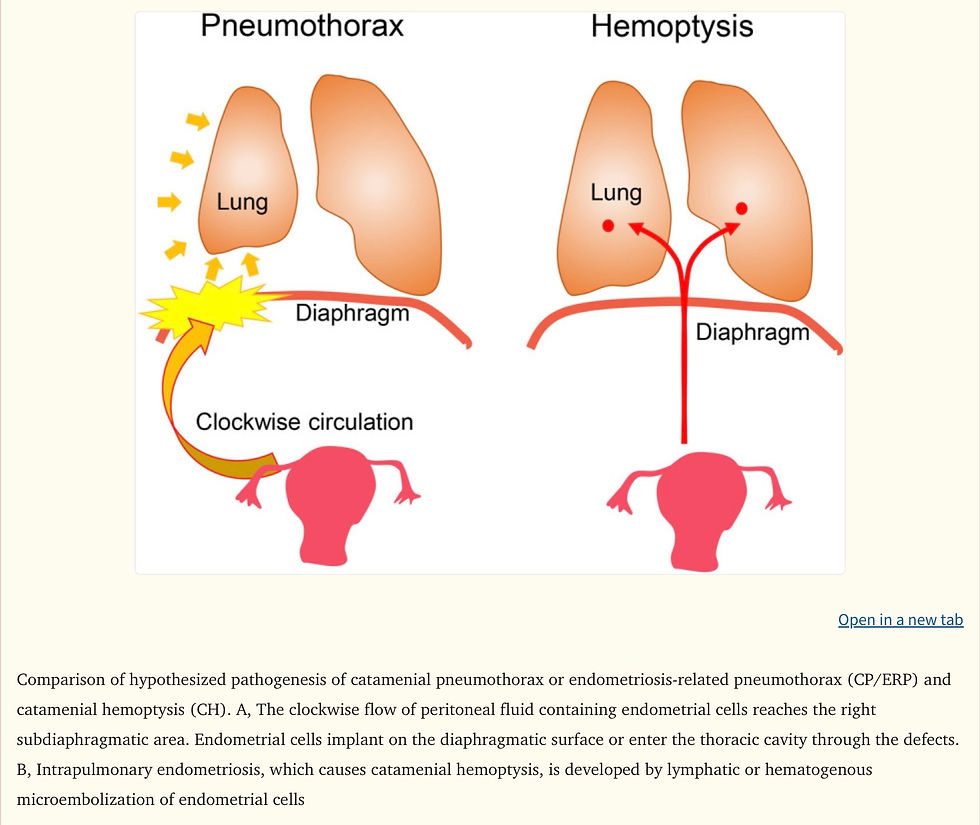
Endometriosis occurs when this process of desquamation and re-epithelisation happens to cells lining the pelvic peritoneum, ovaries, bowel or bladder. In some cases endometriosis can be found outside the pelvis. This diagram shows endometrial cells in the chest.
Endometriosis is painful. A friend of mine described her labour and delivery as mild pain compared to her period cramps. Some people are unable to have children due to scarring to their pelvic organs. Marilyn Monroe famously miscarried many times due to her endometriosis. Her pain was also so intense that she included clauses in her contract to protect her from working while she was menstruating. It is also hypothesised that her addiction to painkillers and sedatives may have arisen from the physical agony of living with the condition. This image shows some of the other symptoms that are often coupled with endometriosis.
And. Not only does it takes nine years (on average) to be diagnosed but once you know for sure that you have endometriosis - the treatment options are limited. In the book “Invisible Women” Criado Perez tells of a small 2013 study that found sildenafil citrate (viagra) provided four hours of pain relief from period cramps without side effects. Funding for further research was rejected on the grounds that painful periods were not a “priority public health issue.” Perez points out that at this time there were five times more scientific studies on erectile dysfunction than premenstrual syndrome. However, it is 2026 and things are getting better for women with endometriosis. This year a huge study has identified genes, underlying mechanisms and potential treatment options. Another big study has pointed at factors that predict the outcome from endometriosis surgery for individuals; and NICE has approved GP administered saliva or sensor pad endometriosis tests. 💥

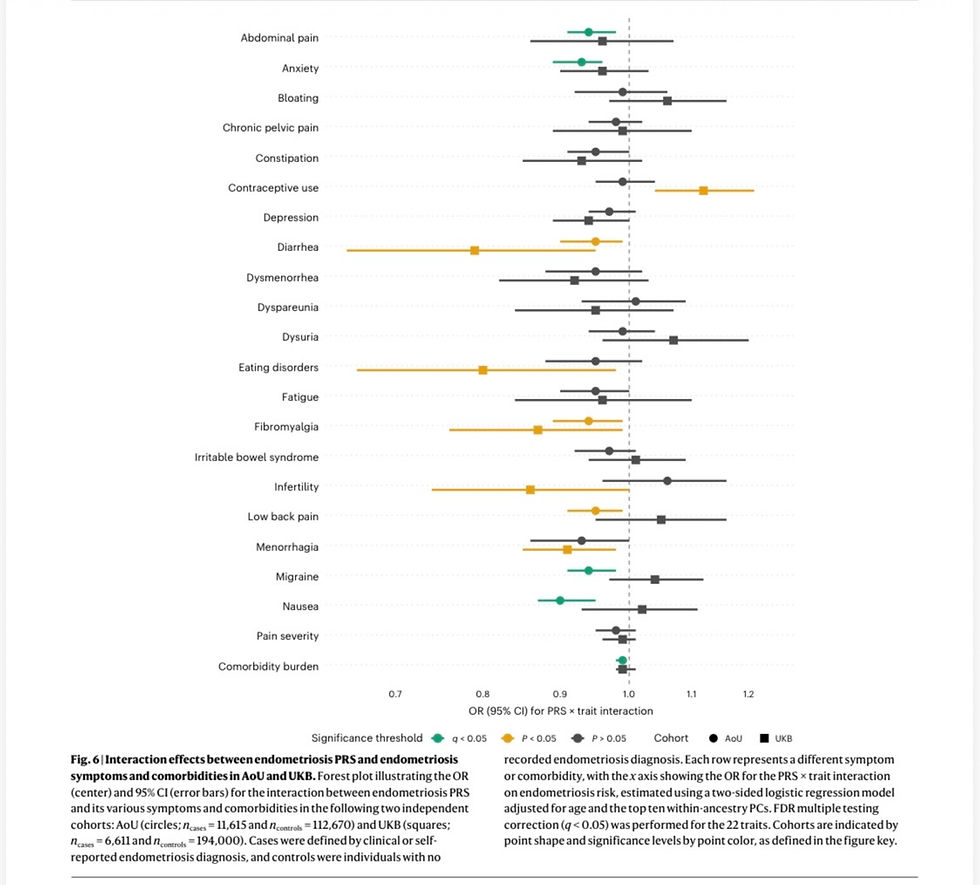
Let’s start with the paper titled: Multi-ancestry genome-wide association and intergrated multi-omics analyses of endometriosis and its clinical manifestations It was a tricky read. Here’s an excerpt:

Put super simply, this study of endometriosis and adenomyosis in over 1 million women has identified the genetic and molecular underpinnings of endometriosis. They found evidence of: benign metastasis; a dysregulated immune system, cell cycle and differentiation; impaired apoptosis, inflammation, hormonal imbalance, vascular dissemination and epigenetic alterations. These results suggest that there are several biological mechanisms at play. Drug-repurposing analyses highlighted potential treatments currently used for breast cancer, contraception and preterm birth prevention.

This image shows ten predictors of a poor outcome after endometriosis surgery. Researchers analysed seven years of hospital data and tested for thirty two preoperative factors. Their findings will now aid preoperative preparation and counselling before surgery. This study is another reminder that we can’t separate our mind from our body - or even our culture for that matter. If a person is to have surgery for a physical illness their anxiety, depression or tendency to catastrophise needs to be addressed first. A person with a chronic illness needs mental, physical and spiritual support through the treatment process.

The last important development in endometriosis care is that NICE has approved two non invasive endometriosis tests for the NHS over a three year trial period. The current situation requires that most women visit their GP or the emergency department over 10 times before receiving a diagnosis. This new approach should offer a less invasive, faster way to receive a diagnosis. The Endotest is an analysis of saliva for the presence of microRNAs, which indicate whether endometriosis is present. The EndoSure test uses sensor pads on the belly to measure electrical signals in the abdomen. I don’t know when these tests will be available from all GPs in the UK for all women. So at this stage, just know that science is taking steps in the right direction but we’re not there yet.
If you have endometriosis know that the research is catching up. Until then keep advocating for your rights and make sure that your GP is following NICE guidelines in the diagnosis and treatment of your condition. ⬇️


Good luck
Xx
P


Comments